Introduction to ACCO Construction 🏗️
ACCO Construction is a well-established construction and engineering company based in Lahore, Pakistan, with extensive experience in Pre-Engineered Buildings (PEB), industrial sheds, warehouses, commercial buildings, and turnkey construction projects.
With a strong portfolio of industrial and commercial developments across Pakistan, ACCO Construction specializes in design, fabrication coordination, civil works, and complete PEB installation. Our expert engineers and site teams ensure that every structure meets Pakistan Building Code standards, seismic requirements, and long-term durability expectations.
📍 Location: Lahore, Pakistan
📞 Phone / WhatsApp: 03228000190
🌐 Website: www.accoengineering.com
✉️ Email: info@accoengineering.com.pk
Topic Introduction: Why PEB Installation Matters in Pakistan 🇵🇰
The demand for Pre-Engineered Buildings in Pakistan is increasing rapidly due to:
Industrial growth and new SEZs
Rising construction costs
Shorter project timelines
Need for earthquake-resistant structures
However, proper installation of a PEB structure is just as important as its design. Even a well-designed building can fail if installation is not carried out systematically.
This step-by-step guide to installing a pre-engineered building in Pakistan helps investors, factory owners, and developers understand the correct construction process, avoid costly mistakes, and ensure long-term performance.
What Is a Pre-Engineered Building (PEB)? 🏭
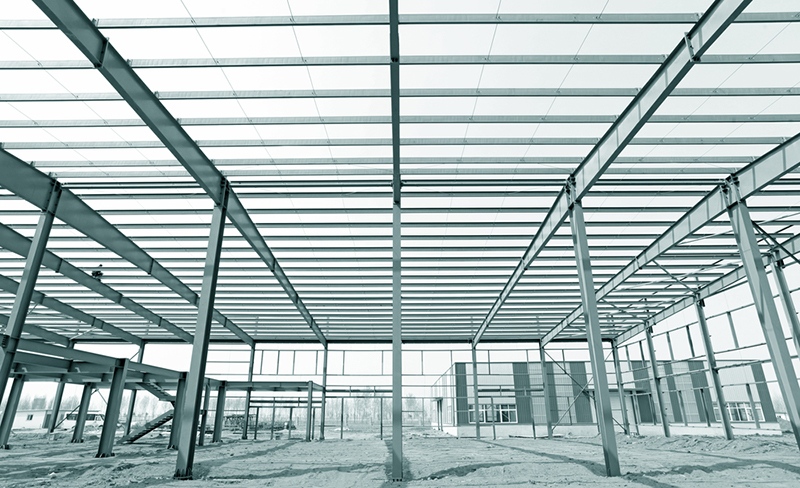
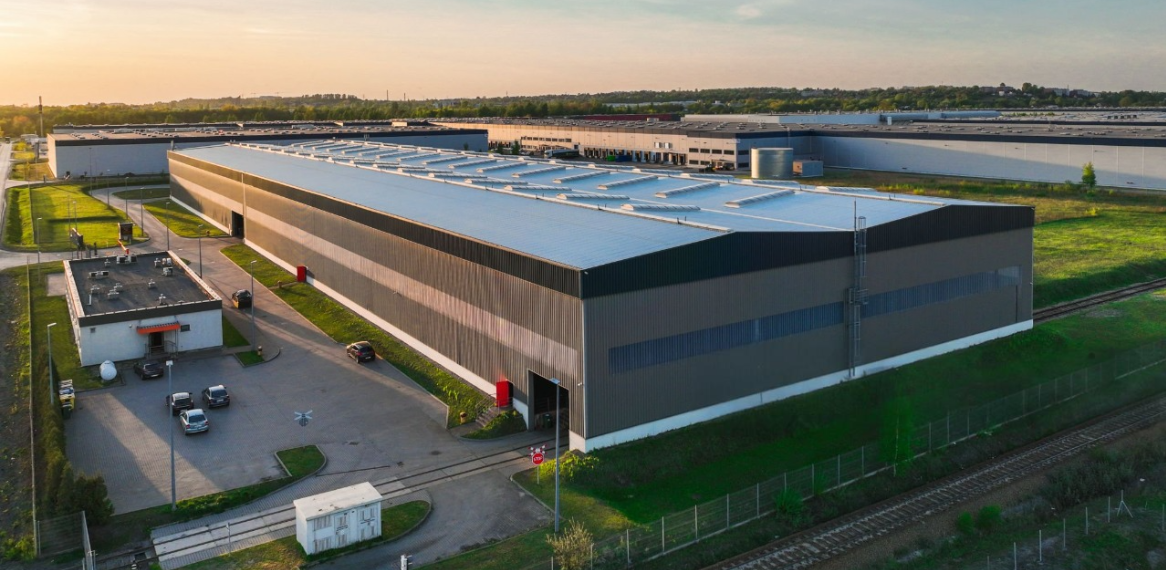
A Pre-Engineered Building (PEB) is a steel structure that is designed and fabricated off-site, then transported and assembled at the project location.
Common Uses of PEB in Pakistan:
Industrial factories & warehouses
Commercial plazas & showrooms
Cold storage & logistics centers
Sports complexes & hangars
Agricultural & poultry sheds
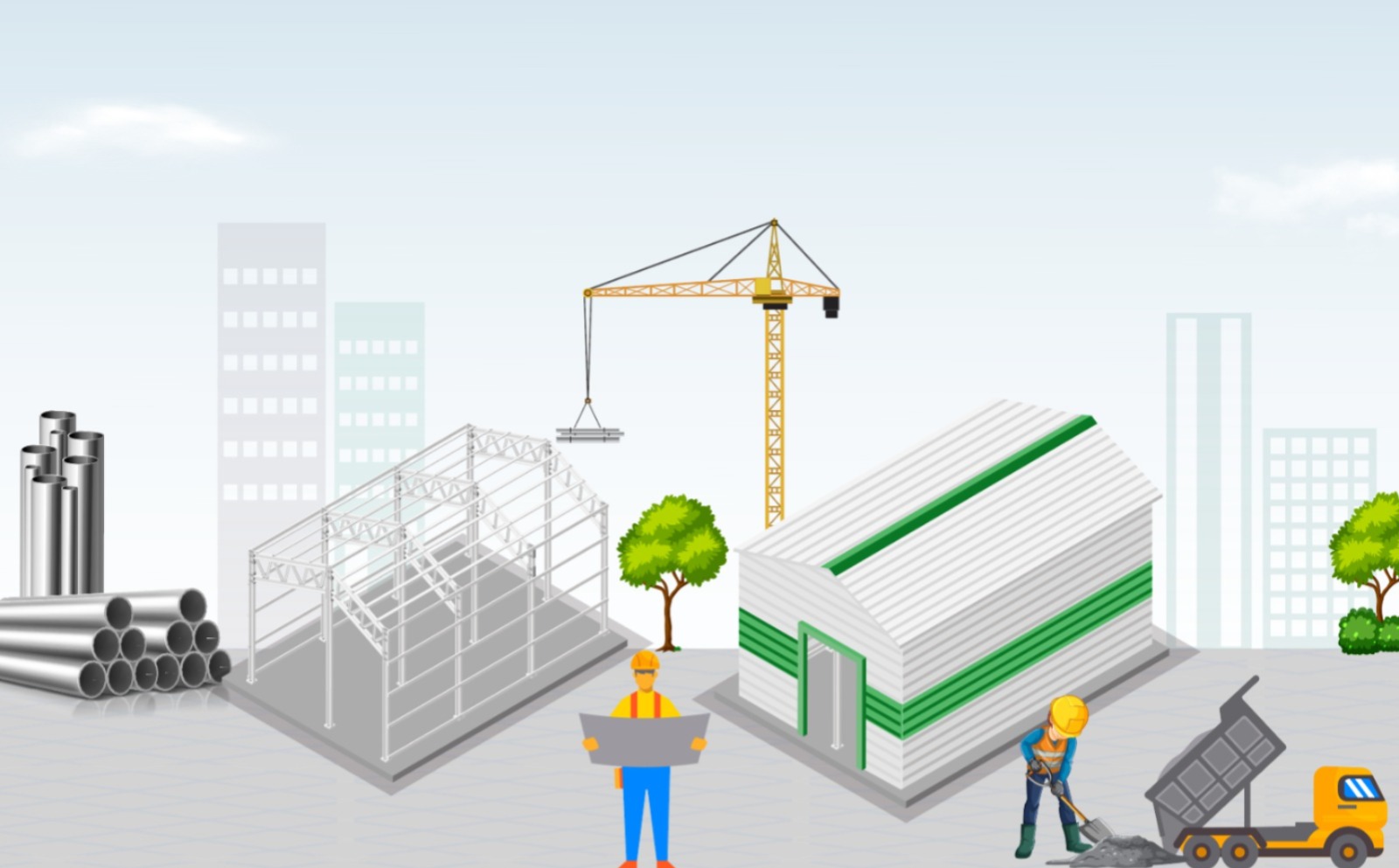
PEB installation follows a structured and sequential process, which is explained below.
Step-by-Step Guide to Installing a Pre-Engineered Building in Pakistan 🛠️
Step 1: Site Survey & Soil Investigation 📍
Before any construction begins, a detailed site assessment is conducted.
Key activities include:
Topographic survey
Soil bearing capacity test
Groundwater level analysis
Access and logistics planning
👉 Soil reports directly influence foundation design, especially in cities like Lahore, Karachi, and Faisalabad.
Step 2: Engineering Design & Shop Drawings 📐
Once site data is available, structural engineers prepare:
Load calculations (dead, live, wind, seismic loads)
Primary and secondary steel framing design
Anchor bolt layout drawings
Erection sequence plans
This stage ensures the building complies with:
Step 3: Foundation & Civil Works 🧱
PEB foundations are usually RCC isolated footings or combined footings, depending on load and soil conditions.
Civil works include:
⚠️ Accuracy in anchor bolt placement is critical—even small misalignments can delay steel erection.
Step 4: Delivery & Material Handling 🚚
Fabricated steel components are transported to site in labeled batches.
Includes:
Primary frames (columns & rafters)
Secondary members (purlins, girts, bracings)
Roof and wall sheets
Bolts, fasteners, and accessories
Proper unloading and storage prevent damage, corrosion, or deformation.
Step 5: Erection of Primary Steel Structure 🏗️
This is the most critical phase of PEB installation.
Process includes:
Erecting columns
Fixing rafters
Aligning frames
Temporary bracing
Final bolt tightening
Cranes and skilled erection teams are essential for safety and precision.
Step 6: Installation of Secondary Members 🔩
Secondary members provide stability and load distribution.
Includes:
Roof purlins
Wall girts
Sag rods
Bracing systems
These elements ensure wind resistance and structural integrity.
Step 7: Roofing & Wall Cladding Installation 🏠
After steel erection, cladding work begins.
Options include:
Color coated metal sheets
Sandwich panels (PUF / EPS)
Skylights & ridge ventilators
➡️ Proper sealing and overlaps prevent leakage and heat gain.
Step 8: Doors, Windows & Accessories 🚪
Installation of:
Rolling shutters
Personnel doors
Aluminum windows
Louvers & exhaust fans
Gutters & downpipes
These components enhance functionality and ventilation.
Step 9: Electrical, Plumbing & Fire Systems ⚡
Depending on usage, PEB buildings may include:
Industrial buildings must follow safety and fire regulations.
Step 10: Final Inspection & Handover ✅
Before handover:
Structural alignment is checked
Bolt torque is verified
Roofing & cladding inspected
Safety compliance ensured
The project is then handed over to the client with documentation.
Installation Timeframe of PEB in Pakistan ⏱️
| Building Size | Average Installation Time |
|---|
| Small Shed | 30–45 days |
| Medium Warehouse | 60–90 days |
| Large Industrial Unit | 90–120 days |
PEB installation is 40–60% faster than traditional construction.
Pros and Cons of Pre-Engineered Building Installation ✅❌
Advantages of PEB Installation ✅
⚡ Faster construction timeline
💰 Lower overall project cost
🏗️ High structural strength
🌍 Earthquake-resistant
🔧 Low maintenance
🔄 Easy future expansion
Disadvantages of PEB Installation ❌
❌ Requires precise planning
❌ Skilled labor is essential
❌ Poor installation can affect performance
👉 These risks are minimized when handled by experienced companies like ACCO Construction.
Common Mistakes to Avoid During PEB Installation ⚠️
Incorrect anchor bolt alignment
Ignoring soil report recommendations
Using unskilled erection teams
Poor sealing of roof sheets
Skipping quality inspections
Professional supervision is key to long-term durability.
Frequently Asked Questions (FAQs) ❓
Q1: How long does PEB installation take in Pakistan?
Most projects are completed within 2–4 months, depending on size and scope.
Q2: Is PEB suitable for earthquake zones?
Yes, PEB structures are highly earthquake-resistant when properly designed.
Q3: Can PEB buildings be expanded later?
Absolutely. PEB buildings are modular and expandable.
Q4: Is PEB cheaper than traditional construction?
Yes, PEB can save 15–30% in total cost.
Q5: Who should handle PEB installation?
Only experienced construction companies with skilled erection teams should handle PEB installation.
Internal Links (Suggested) 🔗
House Construction in DHA Lahore
Commercial Plaza Builders Lahore
Industrial Construction Services
(Use ACCO Construction service pages)
External Authority References 🌐
DAWN News – Pakistan construction trends
construction.gov.pk – Building codes & guidelines
ArchDaily – Global PEB best practices
These improve credibility and SEO trust.
Final Verdict: Is PEB Installation Right for You? 🏁
If you want:
Faster project completion
Lower construction costs
Durable, earthquake-resistant buildings
Future expansion flexibility
Then Pre-Engineered Buildings are the ideal solution.
However, success depends on proper step-by-step installation, experienced engineers, and quality control—exactly what ACCO Construction delivers.
Call to Action 📞
Contact ACCO Construction today for a free consultation!
📞 Phone / WhatsApp: 03228000190
🌐 Website: www.accoengineering.com
✉️ Email: info@accoengineering.com.pk
Let us help you install stronger, faster, and smarter PEB structures in Pakistan.