Introduction to ACCO Construction
ACCO Construction is a leading construction and engineering company in Pakistan, specializing in industrial, commercial, and residential projects. With decades of experience, ACCO has designed, fabricated, and installed hundreds of PEB steel structures across Lahore, Karachi, Islamabad, Faisalabad, and all major cities.
Our expertise includes:
Pre-Engineered Buildings (PEB)
Industrial sheds & warehouses
Truss systems for roofing
Turnkey construction solutions
Civil, structural, and finishing works
We are committed to providing high-quality, durable, and cost-effective steel structures, ensuring safety, efficiency, and long-term value for our clients.
Topic Introduction: PEB vs Truss System
In Pakistan, industrial and commercial construction often requires steel roofing systems. Two popular solutions are:
PEB (Pre-Engineered Buildings)
Truss Systems
Choosing the right system affects construction speed, cost, durability, and maintenance. Understanding the differences is critical for businesses, industrialists, and developers who want strong, long-lasting structures suitable for Pakistan’s climate and industrial conditions.
Factors influencing this choice include:
Building span and height
Wind and seismic resistance
Load-bearing requirements
Budget and construction timeline
Expansion and customization potential
This guide provides a complete breakdown of PEB and truss systems to help you make an informed decision.
1. What is a PEB (Pre-Engineered Building)?
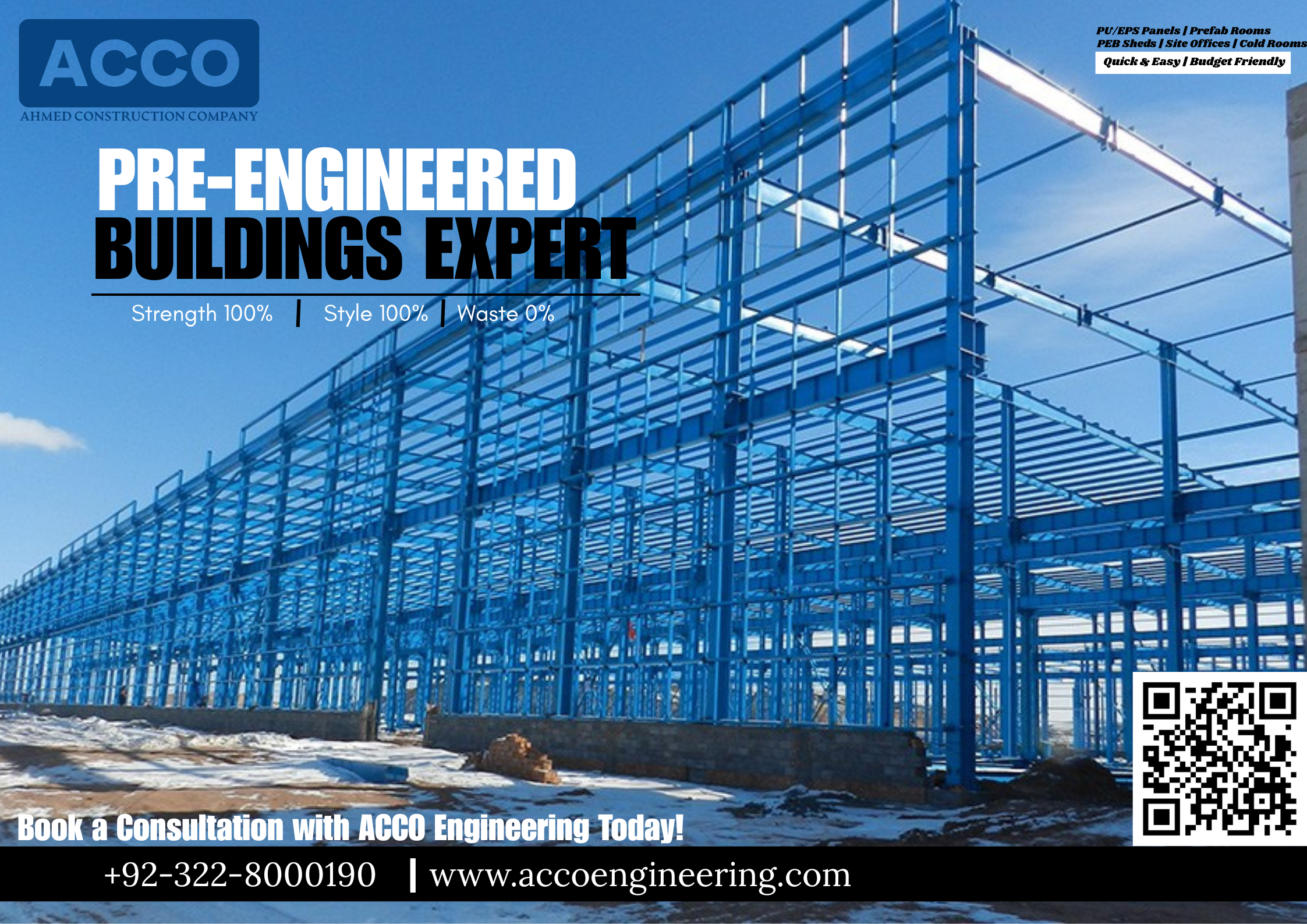
PEB is a customized steel building system designed for maximum efficiency and strength. The key characteristics include:
Prefabricated steel members manufactured in factories
Tapered beams and columns for optimal load distribution
Quick on-site assembly
Long spans without interior columns
PEB Applications in Pakistan:
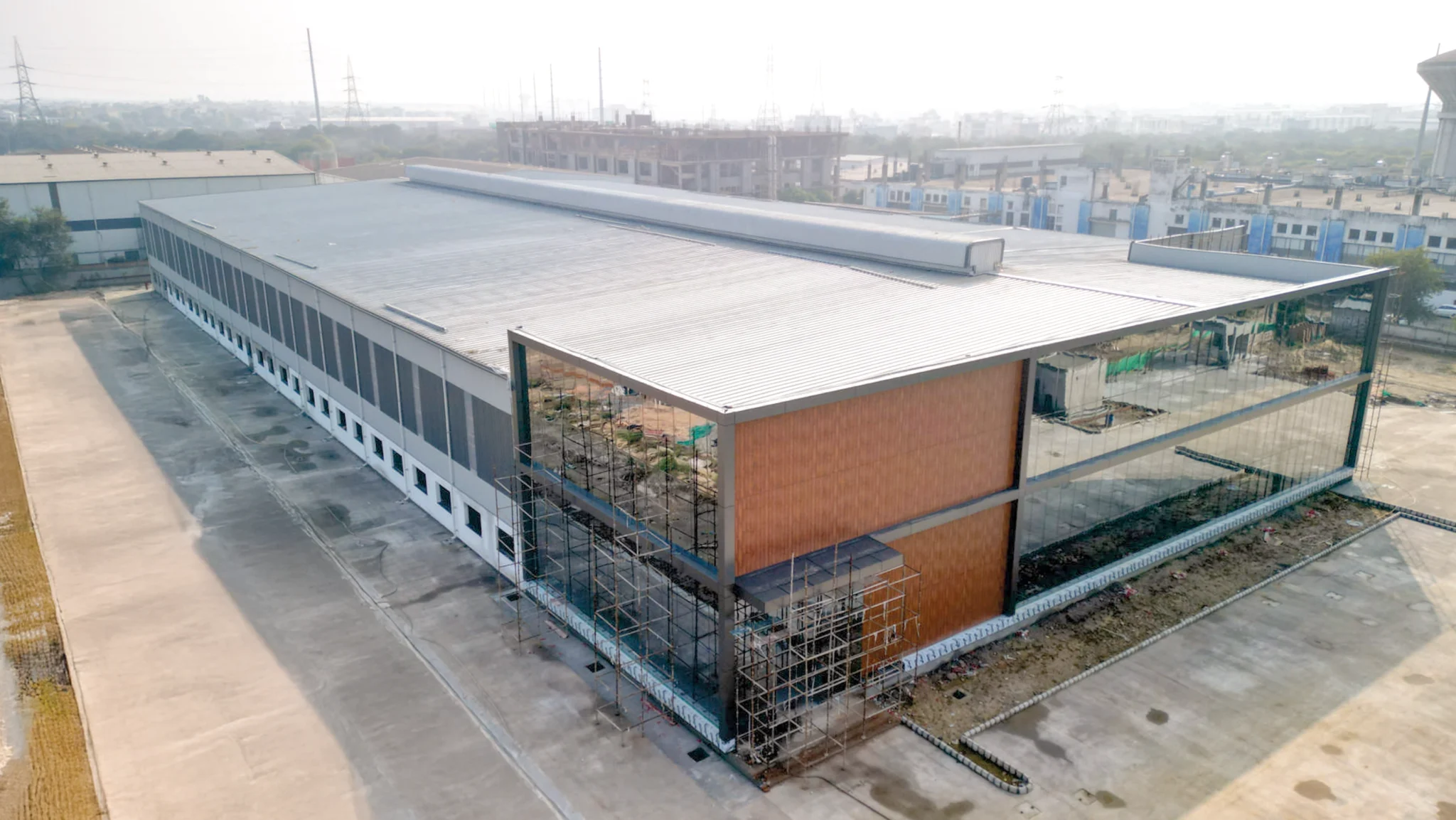
Warehouses & storage facilities
Textile mills & factories
Aircraft hangars & cold storage
Commercial buildings
Advantages of PEB:
High load-bearing capacity
Fast construction (up to 3x faster than RCC)
Earthquake and wind resistant
Easy future expansion
Example Table: PEB Specifications
| Component | Material | Thickness | Purpose |
|---|
| Columns | ASTM A572 Gr 50 | 6–12 mm | Load-bearing |
| Rafters | ASTM A572 Gr 50 | 6–10 mm | Roof support |
| Purlins & Girts | ASTM A36 | 2–3 mm | Secondary framing |
| Roof Panels | Galvanized Steel | 0.47–0.53 mm | Cladding |
2. What is a Truss System?
A truss system is a triangular framework used to support roofs and spans. Trusses can be:
Steel Trusses
Timber Trusses
Features:
Triangular load-bearing design
Requires secondary supports for long spans
Fabricated on-site or partially prefabricated
Truss Applications in Pakistan:
Smaller industrial sheds
Temporary structures
Agricultural buildings
Advantages of Truss Systems:
Low initial cost for small spans
Easy to fabricate on-site
Can use locally available steel or timber
3. PEB vs Truss: Key Differences
| Feature | PEB Steel Building | Truss System |
|---|
| Design | Factory engineered & computer-modeled | Triangular framework, simpler |
| Span Capability | Up to 100m+ without columns | Limited span, may require intermediate supports |
| Speed of Construction | 3x faster | Slower assembly |
| Material Usage | Optimized, less steel | More steel required for long spans |
| Durability | 50–70 years | 30–50 years depending on maintenance |
| Cost | Higher initial, lower lifecycle cost | Lower initial, higher maintenance |
| Seismic Resistance | Excellent | Moderate |
| Wind Resistance | Excellent | Moderate |
4. Factors to Consider for Pakistan’s Climate
Wind Loads: Coastal cities like Karachi and Gwadar require high wind resistance. PEB performs better than traditional truss systems.
Seismic Zones: Northern Punjab and Islamabad require earthquake-resistant buildings. Steel PEB structures are more ductile.
Rain & Water Load: Monsoon rains demand sloped roof designs and proper drainage—both PEB and trusses work, but PEB allows better integration.
Future Expansion: PEB is modular and easily extendable; trusses require re-engineering for large expansions.
5. Cost Analysis
Initial Cost Comparison (per sq.ft.)
| Building Type | Cost (PKR/sq.ft.) | Notes |
|---|
| PEB Steel Building | 1,700–2,500 | Includes design, fabrication, installation |
| Truss System | 1,200–1,800 | Smaller spans, requires on-site assembly |
| RCC + Truss Roof | 2,200–3,000 | Slower, heavy foundation |
Key Insight:
While trusses may be cheaper initially, PEB offers better long-term value due to faster construction, lower maintenance, and higher durability.
6. Pros & Cons
✅ PEB Advantages
Faster construction
Longer spans with fewer columns
Earthquake and wind-resistant
Lower long-term maintenance
Modular & expandable
High load-bearing capacity
❌ PEB Disadvantages
Higher initial cost for small projects
Requires factory-fabricated components
Skilled installation needed
✅ Truss Advantages
❌ Truss Disadvantages
Limited span without intermediate supports
Slower construction for large buildings
Higher maintenance over time
Less resistant to seismic and wind forces
7. Frequently Asked Questions (FAQs)
1. Which is better for a large warehouse in Pakistan, PEB or truss?
PEB is better due to longer spans, faster construction, and earthquake resistance.
2. Can a truss system handle heavy industrial loads?
Yes, but it may require additional supports, increasing steel usage and cost.
3. How long does it take to build a PEB structure?
Typically 3–6 months for medium to large buildings, depending on size.
4. Are PEB buildings more expensive than truss systems?
Initial costs are higher, but lifecycle cost is lower due to durability and faster construction.
5. Can I expand a PEB building later?
Yes, PEB systems are modular and designed for easy extension.
8. Final Verdict
For Pakistan’s industrial and commercial sector:
Choose PEB for large spans, long-term durability, wind & earthquake resistance, and modular future expansion.
Choose Truss Systems for smaller buildings, low initial cost, and temporary structures.
ACCO Construction recommends PEB steel buildings for modern industrial and commercial projects due to their strength, speed, and cost-efficiency.
Internal Links (ACCO Website)
External Authority Links
Call to Action (CTA)
Contact ACCO today for a free consultation on PEB or truss steel buildings in Pakistan!