

What Makes a PEB Steel Building Strong? Full Engineering Breakdown (2026 Guide)
What Makes a PEB Steel Building Strong? Full Engineering Breakdown (PEB-Focused)
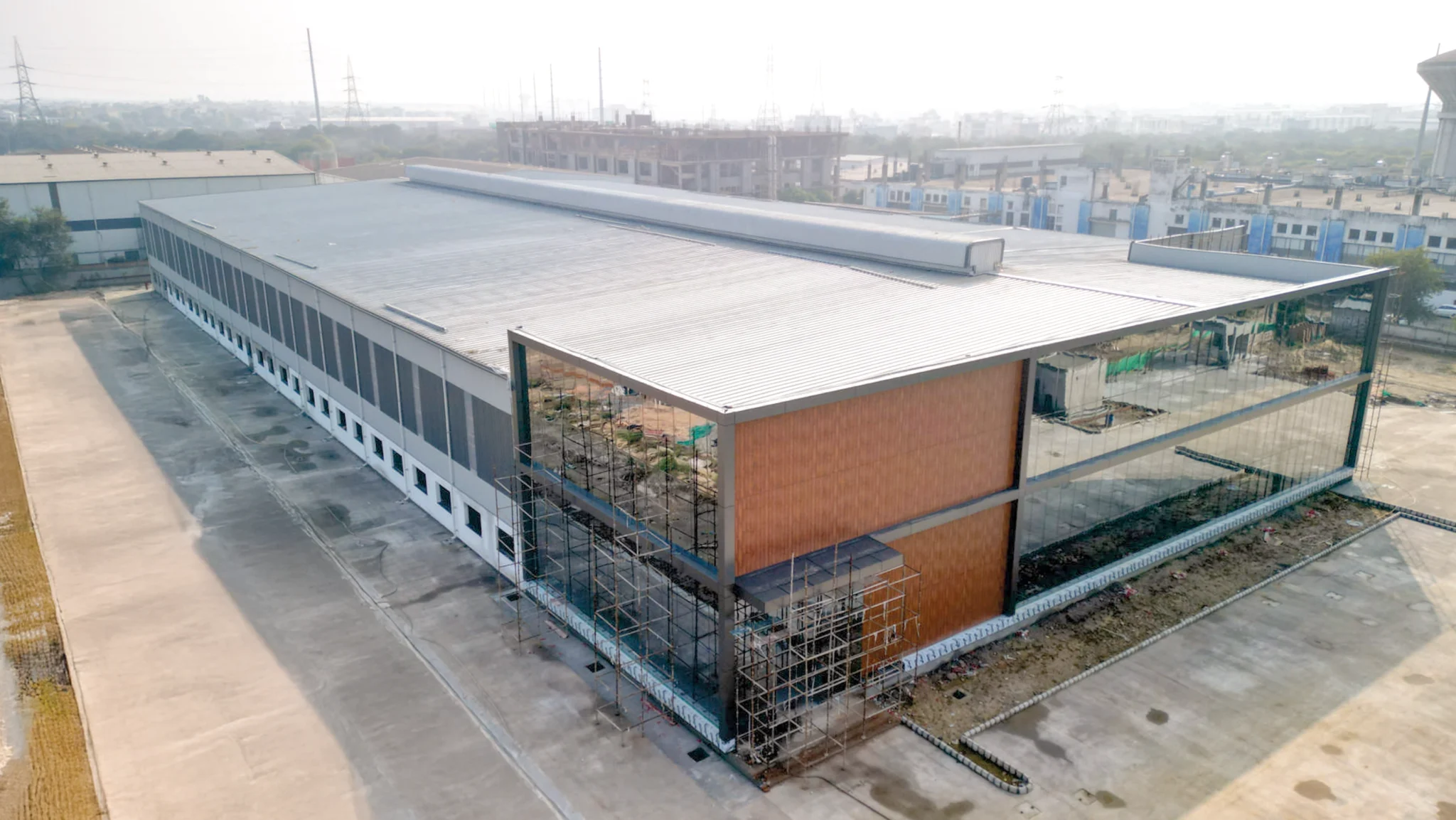
PEB (Pre-Engineered Buildings) have become the backbone of industrial, commercial, and warehousing development across Pakistan. From factories and textile mills to cold storage facilities and logistics hubs, PEB steel buildings offer unmatched speed, strength, and cost-efficiency—especially compared to conventional RCC construction.
As one of Pakistan’s leading builders, ACCO Construction has delivered hundreds of PEB steel structures across Lahore, Karachi, Islamabad, Faisalabad, Multan, and all major industrial cities. With over 20+ years of engineering experience, ACCO specializes in PEB design, steel fabrication, erection, civil works, and turnkey industrial construction.
In this detailed guide, we reveal the complete engineering breakdown behind a strong and durable PEB building.
⭐ Introduction: Why PEB Strength Matters in Pakistan
Pakistan’s climate and industrial needs demand buildings that can withstand:
High wind speeds in Karachi, Gwadar, and coastal regions
Heavy rains and monsoon water loads
Seismic activity zones (Islamabad, Northern Punjab, KP)
Extreme temperatures from –5°C to 50°C
Industrial wear, corrosion, and heavy machinery loads
This is why PEB steel structures are engineered using advanced calculations, high-grade materials, and international design standards such as:
AISC (American Institute of Steel Construction)
MBMA (Metal Building Manufacturers Association)
ASTM standards
IBC (International Building Code)
A properly engineered PEB building delivers:
50–70 years lifespan
30–40% lower cost than RCC
3x faster construction speed
Easy expansion for future growth
Let’s break down everything that makes a PEB building strong.
🏗️ 1. High-Strength Steel: The Backbone of PEB Construction
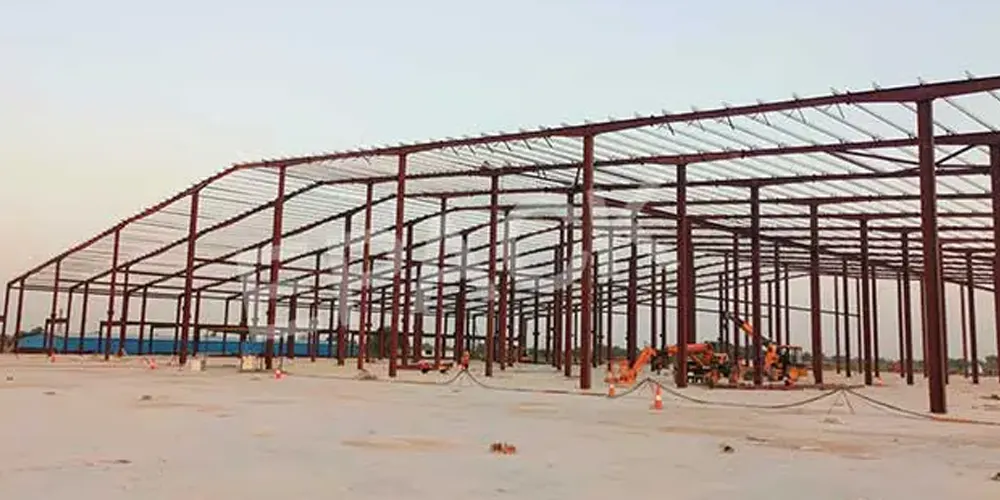


PEB building strength begins with the materials used. ACCO uses high-tensile steel, typically:
| Component | Steel Grade | Purpose | Strength |
|---|---|---|---|
| Primary Frames | ASTM A572 Gr. 50 | Columns, Rafters | 50 ksi |
| Secondary Members | ASTM A36 / A572 | Purlins, Girts | 36–50 ksi |
| Roof & Wall Sheets | AZ150 / AZ200 | Cladding Panels | Anti-corrosion |
| Bolts & Fasteners | ASTM A325 / A490 | Joint Strength | High shear capacity |
✔ Steel Strength Benefits:
High load-bearing capacity
Resists bending & deformation
Corrosion-resistant coatings increase life
Lightweight → reduces foundation cost
Suitable for seismic zones
Conclusion: High-grade steel = long-term durability.
🔩 2. Precision Engineering & Computer-Based Modeling
PEB strength depends heavily on computer-based structural analysis.
ACCO uses:
STAAD Pro
Tekla Structures
SAP2000
AutoCAD / Revit
What is analyzed?
✔ Dead Load
✔ Live Load
✔ Wind Load
✔ Seismic Load
✔ Snow Load (northern areas)
✔ Crane Load (industrial buildings)
✔ Collateral Loads (ducting, sprinklers, solar panels)
🔧 3. Rigid Frames: The Main Strength System
Rigid frames carry 90% of the building load.
Components:
Tapered Columns
Tapered Rafters
Haunch Connections
Base Plates
Flange Bracing
Why Tapered Frames Matter:
They reduce steel usage while maintaining strength, as larger loads are placed at:
Column bases
Rafter-column joints
Benefit: 20–30% steel saving with no compromise on performance.
🏗️ 4. Secondary Framing System (Purlins & Girts)
Secondary members connect cladding to the primary frame.
Section Types:
Z-Purlins
C-Channels
Their Strength Roles:
Distribute roof loads
Support wall panels
Provide lateral stability
Reduce deflection
🌬️ 5. Wind Resistance & Lateral Stability
Pakistan often faces wind speeds up to 140–180 km/hr.
PEB buildings resist these forces through:
Portal frames
X-bracing
K-bracing
Shear walls
Rigid end-wall frames
ACCO designs PEBs to withstand:
✔ Wind uplift pressure
✔ Horizontal forces
✔ Longitudinal movement
This ensures building stability even in coastal areas like Karachi & Gwadar.
🌏 6. Earthquake-Resistant Engineering
PEBs naturally perform better in seismic zones because:
Steel is ductile (absorbs energy)
Lightweight reduces inertia
Flexible connections allow movement
ACCO designs according to IBC Seismic Provisions and Pakistan Building Code.
🧱 7. Foundation Strength
Even the strongest steel structure depends on a strong foundation.
PEB foundations include:
Isolated footings
Strip footings
Raft foundation
Pile foundations (where required)
Foundation engineering depends on:
Soil bearing capacity
Building weight
Column spacing
Crane loads
🧰 8. Anti-Corrosion Protection Systems
The biggest threat to steel structures is corrosion.
ACCO applies:
Hot-dip galvanization
Zinc-aluminum coatings (AZ150 / AZ200)
Epoxy primer + PU paint
Special coatings for chemical plants
Result:
✔ 50+ years building life
✔ Low maintenance
✔ Ideal for coastal regions
🔥 9. Fire Resistance
Steel loses strength at high temperatures.
ACCO improves fire resistance through:
Intumescent paint
Fire-rated boards
Spray-applied fireproofing
Compartmentalization design
Complies with international fire codes.
🏭 10. Roof & Wall Panel Strength
Cladding panels add strength to the building envelope.
Common Panels:
0.47–0.53 mm PPGI sheets
Insulated Sandwich Panels (PUF / EPS)
Standing Seam Roofing (leak-proof)
Benefits:
✔ Thermal insulation
✔ Soundproofing
✔ Leak protection
✔ Strength against wind uplift
📌 11. Quality of Bolts, Fasteners & Jointing System
One weak bolt can compromise the whole building.
ACCO uses:
High Tensile Bolts (A325 / A490)
Galvanized nuts & washers
Self-drilling screws
Anchor bolts with templates
Result:
✔ Tight, secure joints
✔ Zero loosening under vibration
✔ High shear capacity
📊 12. Comparison Table: PEB Steel vs RCC Concrete
| Feature | PEB Steel Building | RCC Concrete Building |
|---|---|---|
| Construction Speed | 3x faster | Slow |
| Cost | 25–40% cheaper | High |
| Earthquake Resistance | Excellent | Moderate |
| Expansion Capability | Easy | Difficult |
| Strength-to-Weight Ratio | Very high | Low |
| Maintenance | Low | Moderate |
| Lifespan | 50–70 years | 40–60 years |
⭐ Pros & Cons of PEB Steel Buildings
✔ Pros (Advantages)
💠 High strength-to-weight ratio
💠 Cost-effective vs RCC
💠 Fastest construction method
💠 Earthquake-resistant
💠 Ideal for wide-span buildings
💠 Flexible for expansion
💠 Long lifespan (50–70 years)
💠 Excellent for industrial & commercial use
✖ Cons (Limitations)
❌ Steel prices fluctuate
❌ Requires skilled engineering
❌ Corrosion risk (solved by coatings)
❌ Not suitable for very complex architectural shapes without custom design
❓ Frequently Asked Questions (FAQs)
1. What makes a PEB building stronger than RCC?
High-tensile steel, engineered frames, and lightweight flexibility make PEB structures stronger and more durable.
2. How long does a PEB building last?
A well-coated PEB building lasts 50–70 years.
3. Can PEB buildings handle strong winds?
Yes, when designed with portal frames and wind bracing, they withstand up to 160–180 km/hr.
4. Are PEBs safe for earthquake zones?
Absolutely. Steel’s ductility makes PEBs ideal for seismic regions like Islamabad and KP.
5. Are PEB buildings cheaper?
Yes. PEBs reduce overall project cost by 25–40%.
🏁 Final Verdict
PEB steel buildings are strong because of:
High-tensile steel
Computer-modeled engineering
Rigid frames
Wind & seismic-resistant design
Anti-corrosion coatings
Quality foundation and fasteners
For industrial Pakistan, PEB is the strongest, fastest, and most economical construction solution in 2026 and beyond.
🔗 Internal Links (ACCO Website Suggestions)
(Replace with your URLs)
House Construction in DHA Lahore
Commercial Plaza Builders in Lahore
Industrial Shed Construction Pakistan
PEB Steel Structure Services ACCO
🔗 External Authority Links
Pakistan Building Code – seismic design
construction.gov.pk (Standards & regulations)
ArchDaily (Global construction trends)
DAWN Business (Industrial sector updates)
📞 Call Now – ACCO Construction, Pakistan
☎ Phone: 0322 8000190
🌐 Website: www.acco.com.pk
📩 Email: info@acco.com.pk
📱 WhatsApp: 0322 8000190
👉 Contact ACCO today for industrial shed, PEB building, and turnkey construction solutions!
Factory, Warehouse & PEB Experts Pakistan | ACCO
Industrial Construction Experts in Peshawar 2026 | ACCO
Post a Comment
You must be logged in to post a comment.